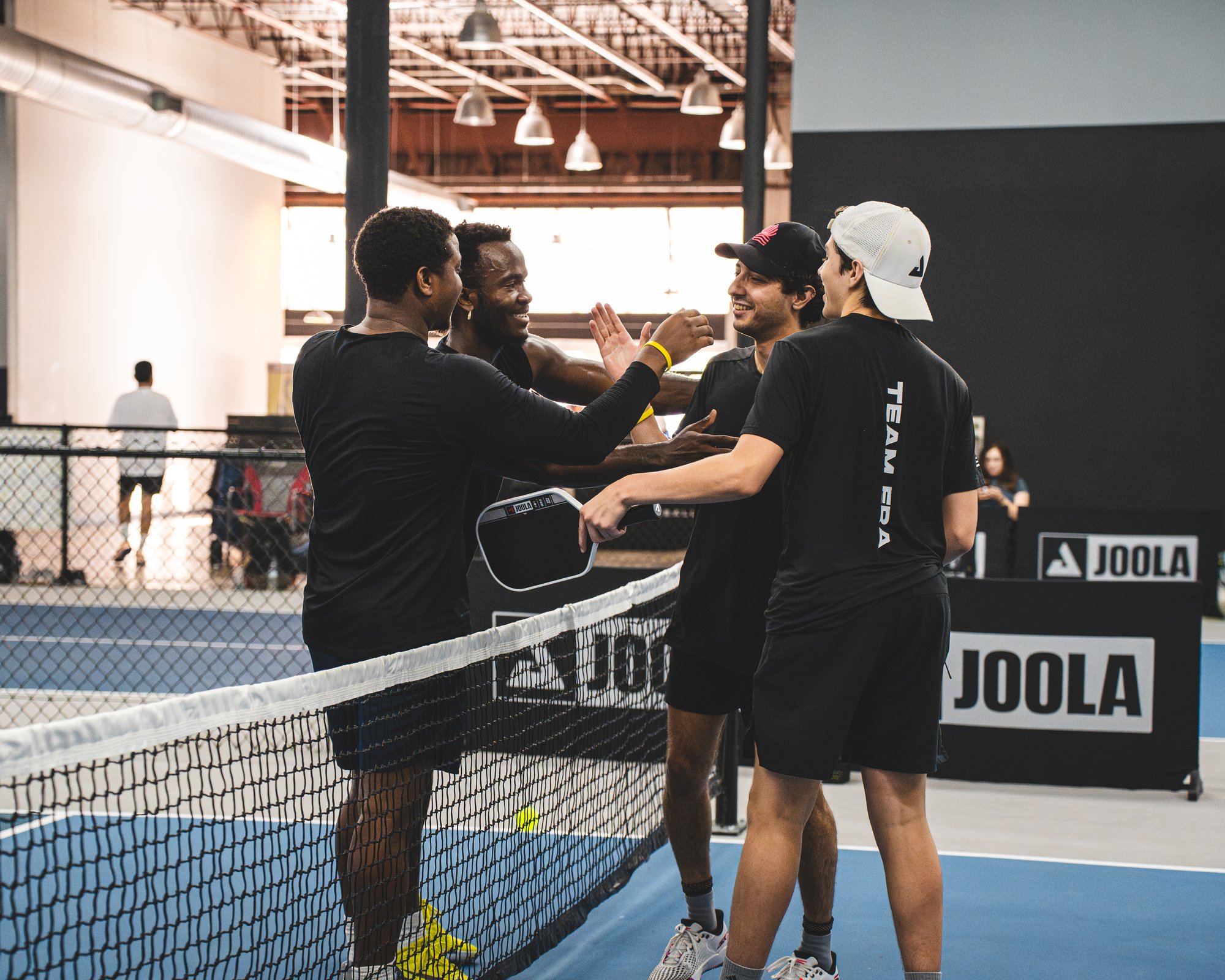
pickleball classes Era Pickleball: Step-by-Step Coaching Guide
If you walk into Era Pickleball, you feel the floor hum with potential. The air carries the quick chatter of balls, the thunk of paddles meeting plastic, and a steady rhythm of feet sliding into stance. Coaching at Era Pickleball isn’t about rote repetition or cookie-cutter drills. It’s about shaping a learner’s body and mind so they reach for the ball with intention, move with efficiency, and recover with tenacity after every point. This guide isn’t about a single method. It’s a practical map built from real-world places to play pickleball sessions, the misfires that taught a coach as much as the successes, and the small adjustments that convert a novice into a confident player.
Era Pickleball has a reputation for clarity of technique, a steady progression of skills, and a coaching culture that treats each class as a living conversation with the court. Coaches aren’t merely instructors; they’re observers who translate subtle body language into concrete cues, and they’re collaborators who tailor plans to the faces across the net. The step-by-step approach here aims to honor that ethos while offering reliable, scalable methods that work for a wide range of players—from curious beginners to athletes returning from injury or those seeking to sharpen their competitive edge.
The core idea of this coaching guide is simple: teach the fundamental movement patterns that underwrite skilled play, build them into meaningful practice sequences, and then layer decisions on top of those patterns so players can adapt to the flow of a match. A successful Era Pickleball class blends technique with tactical awareness, and it does so with a philosophic eye toward pace, safety, and enjoyment. The gym-like intensity of a modern pickleball session sits alongside a patient, thoughtful pace that helps people absorb new habits without feeling overwhelmed.
What makes Era Pickleball coaching distinctive starts the moment a student enters the court. The environment is structured but not rigid, with a clear expectation that feedback will be precise, actionable, and timely. The coaching staff understands how errors accumulate into bad habits if not interrupted early, so they intervene with targeted cues, quick demonstrations, and short, purposeful drills. The discipline is practical: no grand theory chasing. The aim is to move players toward reliable ground strokes, accurate dinks, smart serving, and positive court positioning. It is about making good play feel inevitable.
Honing the fundamentals begins the moment players grip their paddles. A coach’s first responsibility is to establish a baseline of movement efficiency. Feet should be light and ready, hips and shoulders aligned with the target, and eyes scanning the court with a calm confidence. From there, the coaching journey unfolds in stages: foundational technique, short-term skill integration, tactical comprehension, and finally match-ready decision making. Within Era Pickleball classes, progress is documented not just by how many balls a student can rally, but by how fluid their transitions are from defense to attack, from mid-court to kitchen, from one shot to the next.
Foundational technique is the bedrock. It includes grip, stance, paddle angle, and the mechanical sequence of each shot. The steps are simple in isolation but powerful when performed in concert. A typical session will begin with a quick warm-up that primes the body while inviting learners to observe. Coaches cue breath, posture, and balance before even picking up a paddle. Then the room moves into block-and-release drills, where players learn to stabilize their swing and control the paddle face. This sets up the second phase, which is about integrating basic shots into short, purposeful rallies.
As players gain comfort, Tempo and breath become as important as the technique itself. Many people underestimate how much the pace of play affects accuracy and decision making. A good Era Pickleball coach intentionally manipulates tempo—slowing things down for beginners to ground their mechanics, then gradually increasing pace as confidence builds. The goal isn’t speed for speed’s sake; it’s rhythm. The court begins to reveal patterns, and patterns translate into more efficient court coverage. The simplest wins are often the most lasting: a reliable dink, a solid serve, a well-placed reset. The most meaningful progress happens when a player can anticipate, adjust, and execute with a minimum of wasted motion.
Below, you’ll find a practical, step-by-step approach to Era Pickleball coaching that blends technique and game sense. It’s designed to be read by coaches who want a flexible framework and by players who want to understand the logic behind the drills. Everything here comes from real sessions, with attention to safety, inclusivity, and measurable improvement.
A practical starting point: assessment without shaming. A coach begins with a gentle evaluation that respects the learner’s current level and sets a collaborative tone. The patient stance says, We will improve together, and we will do it with care for joints, tendons, and the mind. The assessment covers grip comfort, footwork efficiency, and a few baseline shots. The aim is to identify not only what the player can do, but what they aren’t yet ready to do without strain. A good assessment yields a clear, adjustable path forward rather than a single fixed recipe.
The first weeks are often the most formative. People come with different athletic backgrounds, and Era Pickleball coaching acknowledges that variety. Some arrive with tennis or badminton instincts that translate surprisingly well. Others come with no racket experience, finding the paddle a completely new instrument. In either case, the early sessions reinforce consistency of motion, the reliability of contact, and the shift from overreliance on power to precision and placement. This is where the coaching voice matters most: a calm voice that guides the learner toward intention, rather than pushing toward speed.
To keep this guide grounded, here are core priorities that should permeate every Era Pickleball class. First, the stance must reflect readiness. The feet should be roughly shoulder-width apart, knees slightly bent, weight distributed evenly. The paddle travels in a comfortable arc, with the elbow free to absorb and propel with minimal tension. Second, the contact point should be predictable. The paddle meets the ball in the sweet spot, the hands quiet, and the wrists free to adjust. Third, breath matters. A steady inhale on preparation and a controlled exhale through contact helps with timing and reduces tension in the shoulders. Finally, transitions matter. The moment the ball leaves the paddle, players should be thinking ahead—where to move, what shot to run, and how to reset for the next rally.
Technique, in isolation, is not enough. The real value of coaching shows up when technique is applied to a game scenario. In Era Pickleball classes, a lot of emphasis rests on how to read the court, how to anticipate opponents’ intentions, and how to manage the pace of a rally. Coaches build tiny decision trees into practice, so students learn to choose the right shot under pressure. The best players aren’t just technically proficient; they’re also strategic thinkers who can adapt when the plan meets resistance. The coaching method encourages experimentation within structured constraints. Learners are invited to try options, receive feedback, and refine choices on the fly.
One practical approach is to structure practice around common patterns of play. A match unfolds as a sequence of patterns—service into a return, dink exchanges, transitions to the net, and finishing shots. When a student understands these patterns, decisions become less about guesswork and more about option selection. The coach’s job is to illuminate which option is most reliable given the current position, the opponent’s tendencies, and the score. The aim is not to memorize a script but to recognize cues and respond with an appropriate response.
The following sections outline a reliable coaching path through Era Pickleball classes, with careful attention to safety, progression, and real-world application. The intent is to be useful for a wide spectrum of learners—people who want to retain their health, players who chase competitive success, and weekend warriors who simply want better social play.
Technique and movement fundamentals
Groundwork begins with grip and paddle alignment. In Era Pickleball coaching, a neutral grip is the baseline. The paddle face should present a stable alignment to the ball, allowing the player to steer contact without violent wrist action. For the forehand, the cue is to brush the ball slightly upward and outward, producing a controlled arc that presses the ball toward the opponent with consistency. For the backhand, the contact point stays close to the body, and the stroke is compact, minimizing unnecessary shoulder rotation. The goal is repeatable contact that translates into predictable ball trajectories. In this early stage, timing is king. Players learn to feel the moment the paddle meets the ball and to ride the energy through follow-through, which reduces errors on longer rallies.
Footwork is the second pillar. The court rewards light feet and intelligent positioning. Coaches emphasize small, precise steps rather than diving into dramatic lunges. The idea is to keep a balance between readiness to defend and the ability to threaten the net. Lateral movement is taught as a sequence: split step, read the ball, adjust angle, and glide into place. The split step is a tiny jump that resets weight and sightlines, enabling a quick response. The court becomes a chessboard of micro-decisions, and the quickest way to win is to reduce the time between thought and action.
Serving and returning bring the session into the realm of game feel. Until players learn how to serve with intention, the rest of the game can feel out of reach. The Era Pickleball method treats serve as both tool and tactic. A serve should land in the appropriate zone with the right speed and spin to disrupt the opponent’s rhythm. Variations include a flat serve, a short serve to the non-volley zone, and a slice serve that creates a drift. Returns are coached to maintain compact preparation and to aim for the opponent’s weaker side or an angle that creates a difficult third shot. Early on, a simple, reliable serve and a reliable return predict the rest of the game more than fireworks serves do.
Dink control starts the kitchen conversation. The dink is the heartbeat of the short game, the close-quarter exchange where patience, touch, and precision decide the outcome of a rally. Coaches help learners develop a soft grip and a relaxed wrist to place the ball exactly where they want it. The goal is not to overpower the ball into a corner but to nudge it into spaces that invite errors from the opponent. Dink practice should feel like a dance, with the ball gliding between players as they measure the distance to the net and adjust their paddle angles.
As players gain physical confidence, the coach introduces more dynamic drills. The tempo shifts from slow, controlled repetition to slightly faster exchanges that test coordination under mild pressure. A well-designed progression uses a ladder of difficulty: clear mechanics first, then applied shots, then mixed sequences. The idea is to build a sense of competence at each tier before moving forward. The more challenging aspects—volleys, half-volley transitions, and refined footwork—are integrated gradually, with frequent feedback to prevent bad habits from taking root.
A structured progression for Era Pickleball coaching
The following two lists capture practical, memorable steps you can apply in your own coaching or in a class setting. They keep the focus on tangible goals while offering enough nuance to adapt to individual needs. They are designed to be used as a quick reference during a session, not as a rigid script.
First list: drills that reinforce movement and contact
- Shadow swing to establish the correct path and wrist alignment without the ball
- Partner mirror drills that emphasize short, precise exchanges
- Groundstroke progression that starts with controlled contact near the baseline and moves toward the kitchen
- Dink ladder that gradually reduces space between players while maintaining touch
- Serve and return progression that targets specific zones and repeats the same sequence to build reliability
Second list: coaching cues that translate technique into decision making
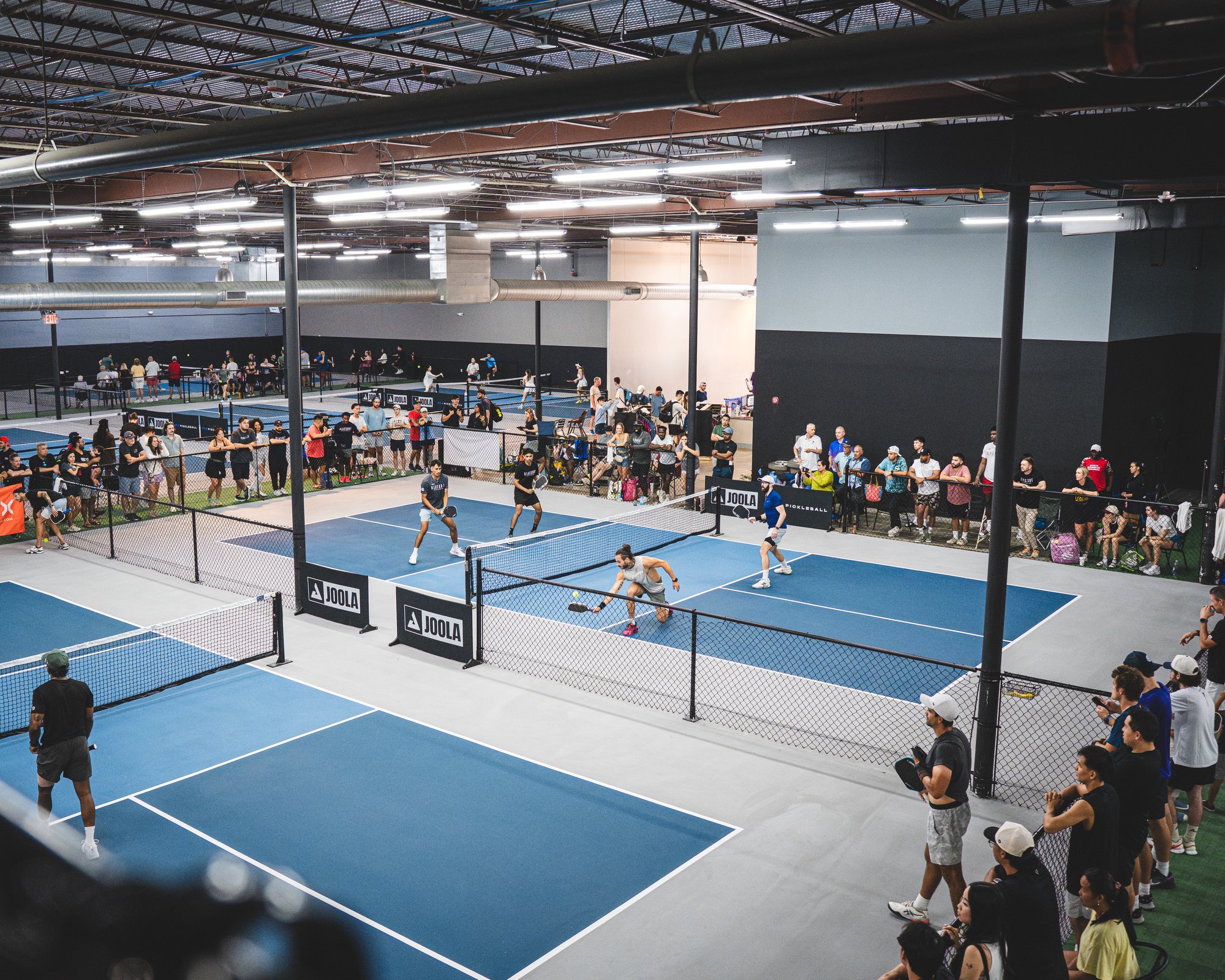
- Keep the paddle palm up for control and relaxed wrists during contact
- Read the ball early and keep eyes on the contact point to anticipate spin
- Step into the shot with a stable base and let the hips drive the swing
- Use minimal motion in the shoulder and rely on the elbow and wrist for precision
- Finish with balance, staying compact near the court line to expedite the next move
One of the most important aspects of coaching is feedback timing. If a student is struggling with a concept, the coach should pause the drill briefly, illustrate the correct motion with a quick demo, and then have the student attempt the movement again. Short, precise feedback is more effective than long explanations, especially for beginners who are still building a kinesthetic sense of the sport. The feedback loop should feel like a conversation with the court rather than a list of instructions to memorize. This fosters a safer, more engaged learning environment where players are free to experiment within clear boundaries.
Safety considerations are not a separate category in the Era Pickleball pedagogy; they are woven into every drill and every session. Warm-ups are intentional and focused on joint health, especially for wrists, elbows, knees, and the lower back. The warm-up includes light cardio, ankle mobility, hip rotations, shoulder activation, and a few dynamic stretches that prepare the body for rapid directional changes. Coaches monitor for signs of fatigue and adjust the session accordingly. When a student returns to play after an injury, the approach is adapted to their medical guidance and comfort level, deferring high-impact movements until it is safe to reintroduce them.
Inclusion and accessibility are also central to Era Pickleball classes. The game is inherently social, and coaching respects the diversity of learners. The pace of classroom progression reflects a range of backgrounds, from athletes transitioning from other sports to absolute beginners. The aim is not to exclude anyone but to ensure every learner sees a clear path forward. Beginners gain confidence from small wins: a successful dink, a clean return, a measured serve that lands inbounds. The more experienced players receive challenges that push their tactical thinking without sacrificing the fundamentals that sustain their skill set.
As you move through weeks of training, you’ll notice a quiet but powerful shift. The learner begins to anticipate, rather than merely react, to the ball. This shift is the heart of strategic improvement in pickleball. The coach’s job then becomes less about correcting errors and more about guiding players to interpret the cues the court offers. A well-tuned learner reads the opponent’s body language, anticipates shot selection, and positions themselves to enforce a favorable angle. The net becomes a place of control rather than a peril to be avoided.
Real-world nuance: limitations and edge cases
No coaching guide is complete without acknowledging that players have limits. A veteran coach knows how to push at the edge of capability without crossing into risk. Some students respond to slow, steady progression; others are ready for a more aggressive tempo early on. The key is to maintain consistent expectations while remaining adaptable. For instance, a student with excellent hand-eye coordination but limited mobility might excel at short exchanges yet struggle with court coverage. In that case, the drill design should emphasize anticipate-and-burst sequences rather than long rallies. A different learner may require more rest between sets to prevent shoulder fatigue. The Era Pickleball approach supports these variations by offering modular, scalable sessions that can be altered on the fly.
A common edge case arises when players experience frustration. They might misinterpret shorter rallies as failure or equate slow improvement with poor ability. A seasoned coach reframes that experience with a positive, concrete frame: progress is rarely dramatic but is reliably measurable. Each session should close with a clear takeaway—one or two adjustments players can apply in their next match. This reinforcement helps players maintain motivation and reduces the risk of burnout. It is in these small, cumulative gains that the long arc of mastery is visible.
Coach development is another subtle, essential element. A strong Era Pickleball program invests in its coaches as practitioners, not just instructors. Regular observation, peer feedback, and ongoing education uphold a culture where teaching methods get refined over time. The most effective coaches in this ecosystem are those who can translate theory into practice in a way that feels organic to each class. They read the room, notice the soft signals of fatigue or disengagement, and pivot to maintain the group’s momentum without losing individual attention.
Practical takeaways for learners and teachers
- Start with the basics, but never stay there for too long. Build a robust foundation and then layer complexity in a way that preserves confidence.
- Treat each class as a case study in movement efficiency. Small improvements in footwork, contact timing, and shot selection add up quickly.
- Use the court as a teacher. Encourage players to observe and interpret patterns that emerge during rallies, rather than simply executing a memorized sequence.
- Remember safety as a constraint that enhances performance. Proper warm-ups, protective gear as needed, and mindful progression protect longevity on the court.
- Create spaces for reflection. A brief debrief after drills helps players consolidate learning and prepare for the next session.
Era Pickleball coaching is about the art of patient, precise instruction blended with a respect for individual journeys. It is a discipline that rewards thoughtful planning and the willingness to adapt. The most effective coaches see the court as a living classroom and their students as evolving athletes who will discover, through practice, what their strengths are and how best to leverage them in real games.
In the end, the aim is not merely to teach a set of moves, but to cultivate a way of playing that is sustainable, joyful, and effective. Pickleball, with its blend of strategy, speed, and touch, offers a unique canvas for growth. When coaching is grounded in clarity, safety, and consistent feedback, players find themselves capable of more than they imagined. They gain not just a set of mechanical skills, but a confidence that translates to every court they step onto, at Era Pickleball or beyond.
The coaching philosophy behind Era Pickleball is not about chasing a perfect form or copying a single template. It is about honoring practical progress—gradual, verifiable, and adaptable. It recognizes that every learner arrives with different experiences, goals, and challenges. It embraces the reality that beginners will mis-hit a few balls, that even seasoned players will stall in mid-rally, and that every misstep is a doorway to better understanding. The craft of coaching is to guide that doorway so players cross it with curiosity, resilience, and a growing sense of control.
If you are a coach, plan, observe, and adjust. If you are a student, stay curious, stay patient, and stay consistent. Era Pickleball classes are more than a timetable of drills; they are a pathway toward a more capable, confident game. The steps outlined here provide a practical, grounded route through the learning process, helping you to design sessions that are instructive, engaging, and safe. They are rooted in the realities of the court, shaped by the needs of real players, and designed to stand the test of time as the Era Pickleball community grows and evolves.