erapickleball.com pickleball classes: How to Enroll and Prepare
Choosing a path to improve at pickleball can feel overwhelming. The sport moves quickly, and courts fill up with players who come with a wide range of goals, from casual fun to competitive circuits. When you land on era pickleball classes, you’re stepping into a program designed to translate everyday play into structured skill development. The experience is not generic instruction; it’s a curated journey that honors real-world needs, practical limitations, and the realities of busy schedules. This guide walks you through how to enroll and, more importantly, how to prepare so you get the most out of each session.
A practical starting point is to imagine what you want from pickleball coaching. Do you want to flatten the learning curve for the basics, refine your dinking and net play, or tailor a plan toward doubles strategy for tournaments? Era Pickleball’s coaching philosophy centers on efficient technique, measured progression, and feedback that feels usable on the court the very next day. Enrollment is straightforward, but preparation matters just as much. The difference between a good class and a transformative one often shows up in the small choices you make before, during, and after training.
This article offers a clear path to enrolling with erapickleball.com pickleball classes and turning a good week of practice into a durable upgrade in your ball control, court sense, and match confidence. You’ll find practical tips drawn from real-world coaching experiences, a realistic sense of the time and effort involved, and concrete steps you can implement right away.
Why pick Era Pickleball’s class offerings
The first thing players pickleball courts near me notice about era pickleball classes is the balance between technique and play. Clinics tend to tilt toward drills that lock in the mechanics of the stroke, but they are not sterile lab sessions. Coaches shift from technique to application with live drilling that mirrors real match tempos. You’ll see coaches layering progression: warm-up mobility and shot preview, short reps to ingrain a specific stroke path, then controlled rallying to reinforce consistency under pressure. That arc is critical because the same motion that looks clean in a still image can unravel when you’re missing a shot while your feet are moving.
Another hallmark is pace management. In many programs, the emphasis lands on flashy footwork or heavy topspin. Era Pickleball’s approach prioritizes predictability and repeatability. The goal is a dependable shot bank you can rely on during a game, not a sequence of feats you can only replicate in isolation. For players returning after a layoff, the clarity of this path matters: you don’t need a perfect forehand drive to be effective in a match, but you do need a reliable return that securely places the ball where your partner can take the next step.
Enrolling is designed to be frictionless, yet meaningful. The platform aims to align class offerings with your current level and your schedule. You’ll find options from beginner fundamentals to advanced strategy sessions, all built around a consistent coaching framework. The learning environment emphasizes safety, inclusivity, and practical progress. You’re not expected to memorize a long syllabus; you’re expected to show up, participate, and absorb feedback that matters in real games.
How the enrollment process typically works
The enrollment path with era pickleball classes tends to follow a familiar arc, but with notable nuance that reflects the brand’s emphasis on usable coaching. First, you’ll browse the class catalog to identify a program that matches your level, your goals, and your availability. Most cohorts describe the skill focus loudly enough to help you decide whether you’re chasing basics, technique refinement, or match prep. The best classes articulate outcomes in practical terms: “improve third-shot drop consistency,” “build a reliable reset from the non-volley zone,” or “execute a confident poach in doubles.”
Second, you’ll confirm your current level. It’s not a test in the sense of a graded exam, but there is value in being honest about where your game stands. The coaching staff uses this information to place you in the right cohort so you aren’t overwhelmed by material that’s too advanced or bored by content that’s too basic. Don’t worry about feeling judged; players at all stages enroll, and the aim is steady, meaningful progression.
Third, you’ll choose a time slot. The system tends to list several days and times with clear indicators for beginner, intermediate, and advanced tracks. If your calendar is tight or you’re juggling other commitments, look for options that include weekend sessions, evening blocks, or short, frequent micro-sessions that fit the pace of your week. A subtle but significant detail: some programs offer rolling enrollments. If you miss a class, you might be able to slot into a nearby session or reserve a make-up with a future cohort.
Fourth, you’ll complete essential information. Expect to share your contact details, emergency contact, any medical considerations, and, occasionally, your preferred language for coaching feedback. In many cases you’ll also be asked to indicate whether you want private instruction, semi-private, or group coaching. Personal preference matters here; private sessions tend to accelerate skill acquisition for some players, while others thrive in the social energy of a small group.
Fifth, you’ll receive confirmation and a welcome packet. This often includes a map to the venue, parking instructions, what to bring, and a snapshot of what to expect in the first session. The welcome packet sometimes carries model drill diagrams or brief video resources you can glance at before your first day. Paying attention to these materials saves time and reduces initial on-court confusion.
What to bring and how to dress for success
The practical details matter because this is a sport that rewards small, disciplined choices. The on-court experience is where your progress becomes visible, and comfort translates into better technique. Here are some concrete recommendations gathered from coaches and players who routinely participate in era pickleball classes.
- Shoes with proper grip and ankle support. Court surfaces vary, and the last thing you want is a slippery pivot that invites a tweak or an ankle roll. Seek shoes that provide lateral stability and a sole that grips both indoor and outdoor surfaces without leaving excessive marks.
- Non-marking shoes for indoor courts. If you’ll be on a gym floor, non-marking soles help you preserve the surface and avoid scuffing. It also keeps your feet feeling fresh longer through longer sessions.
- A lightweight paddle with a comfortable grip. Many players underestimate the impact of grip size on precision and control. If you’re unsure, a coach can steer you toward a paddle that complements your arm length and play style.
- Flexible clothing and sun protection when outdoors. You’ll want breathable fabrics that wick sweat away without restricting motion. If you’re training in bright sunlight, sunglasses with a secure strap and a hat can help you stay focused during longer drills.
- Water, a towel, and a small snack. Hydration matters during a session, especially if you’re building endurance for longer rallies. A quick snack can keep you from losing focus during a demanding drill sequence.
A practical note on equipment and safety: some era pickleball classes provide rental paddles and court shoes, but not all facilities do. If you’re unsure, call ahead to confirm what’s included and what you should bring. You’ll save time and avoid last-minute panic if you know exactly what to expect.
What to expect in the first session
The first session tends to be a diagnostic, in a positive sense. Coaches invite you to warm up in ways that acclimate your body to the court and your stroke timing without forcing you into high-pressure rallies. The opening minutes emphasize mobility and posture—hips and shoulders aligned, eyes on the ball, feet ready to adjust on contact. You’ll do a few basic drills that test your grip, your stance, and your feel for contact. The aim is not to grind you down but to map your current habits so the coach can tailor feedback and progression.
One common approach is to pair players with a learning partner. This could be someone at a similar level, one notch higher, or sometimes a more advanced player who can model efficient technique during partner drills. The pairing is not about ego; it’s about creating a constructive micro-environment in which you can experiment with new sensations without fear of embarrassment. When the coach demonstrates a technique, you’ll have an opportunity to imitate, then gradually modify your motion with feedback from the coach and your partner.
Expect a few explicit technique cues that you return to repeatedly. The cues are simple but honest: “keep your eye on the ball,” “relax your non-striking hand,” “finish the stroke low and out,” or “move your feet before you move your hands.” The word choices matter because they shape how easily you can recall the guidance during a live rally. The best coaches craft cues that become intuitive in match play. A good cue is not a literary flourish; it’s a practical touchstone you can trust when your opponent is pressing you into a corner.
How to maximize learning between sessions
The interval between classes is where the real work often happens. The best players don’t let a week pass without revisiting the core ideas from the last session. Here are practical habits proven to deliver consistent gains.
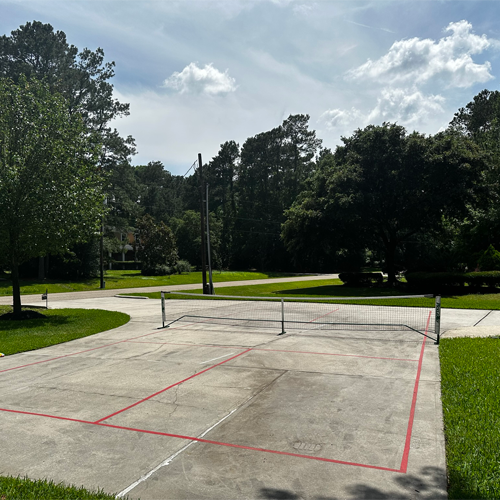
- Review the core drills and technique cues. A brief, mindful practice at home or in a quiet corner of the gym helps solidify the neural pathways you’re building on court. If possible, record a short clip of your form or rely on a partner to give you a few corrective notes.
- Implement a small, focused goal for the week. Rather than chasing every improvement at once, commit to one tangible outcome, such as keeping your rally alive with a consistent third shot or improving your ability to reset from the kitchen after a deep drive.
- Film your practice when you can. A simple smartphone video can reveal patterns you don’t notice in real time, like a tendency to tilt your shoulder or to swing through with too much wrist. It’s remarkable how revealing a second or two of footage can be when you’re trying to refine tempo and contact.
- Seek feedback from the coaching staff when you can. Some programs offer brief office hours, optional video reviews, or slack channels where you can ask quick questions. This kind of ongoing access helps translate in-court observations into long-term improvements.
- Integrate the lessons into match play. The last thing you want is to drill a move in isolation. When you step onto the court for a real game, you should try to reproduce the successful patterns you’ve been practicing, but you must also be ready to adapt to your opponent’s strategy.
What to expect from different class formats
Era Pickleball classes come in several flavors, each serving a different facet of skill development. The format you pick should align with your current needs and your personality as a learner. The following descriptions are typical of well-rounded pickleball coaching programs, and you’ll likely find hybrids that blend these approaches.
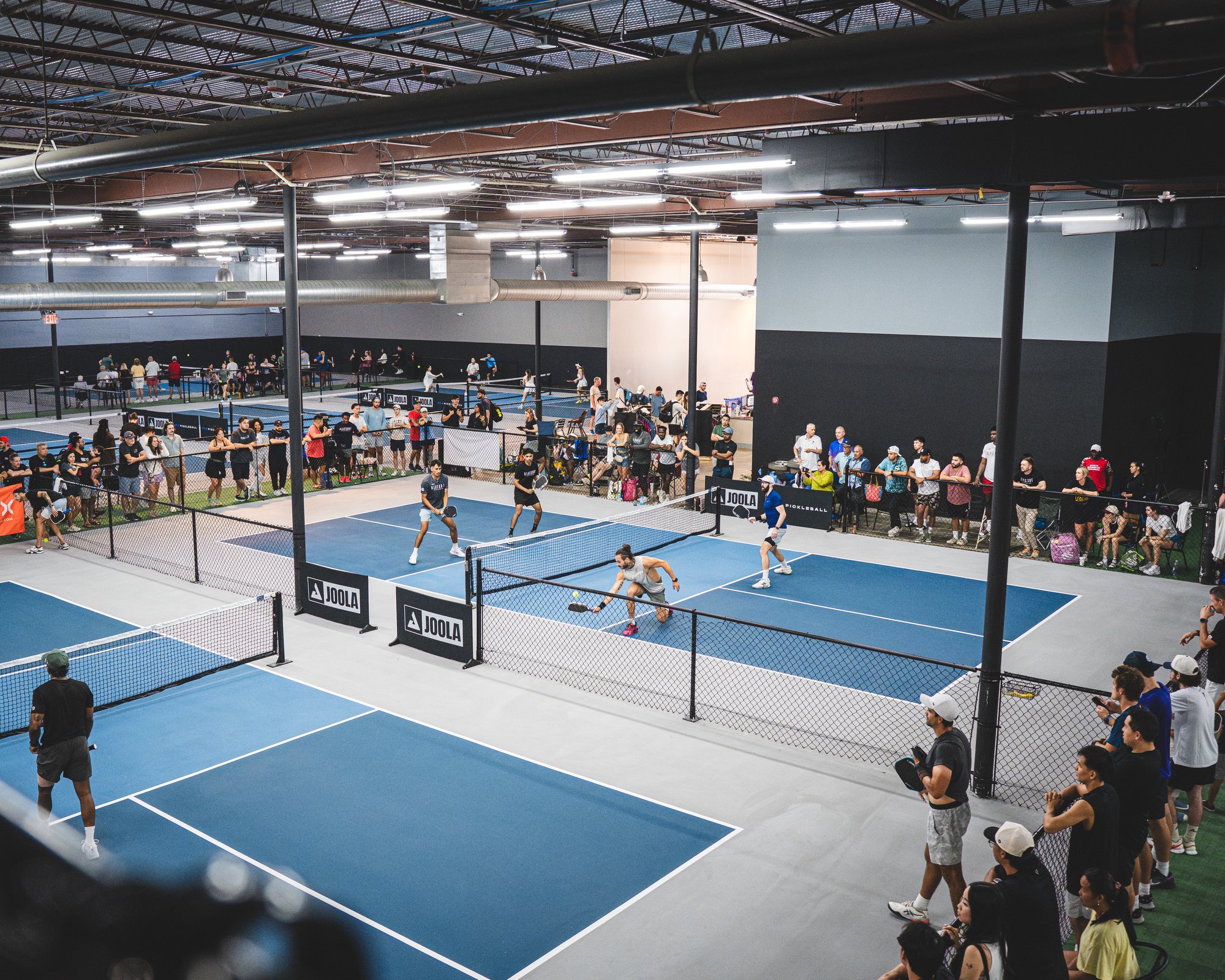
- Fundamentals and technique sessions. These classes emphasize the essential strokes, footwork, and court positioning. The tempo is steady and patient, with long blocks of repetition designed to ingrain correct mechanics. Expect a lot of feedback on grip, stance, and contact point.
- Strategy and doubles play. In these sessions the pace shifts toward on-court decision making. You’ll practice patterns that you can deploy in doubles, such as initiating the poach, communicating with your partner, and covering lobs and angles with discipline.
- Mixed skill development. A typical week might blend technical work with situational drills that simulate tournament pressure. The goal is to harmonize what you’ve learned in technique sections with the dynamic demands of a live match.
- Private and semi-private coaching. When you want a sharper focus on your personal needs, private instruction becomes attractive. The coach’s attention is undivided, and the feedback loop is immediate. Semi-private offers a middle ground, often at a lower cost per player while still delivering a strong degree of personalization.
Two important caveats about class formats deserve attention. First, the most effective programs are intentionally non-elite in their language and approach. They welcome players at every level and emphasize that improvement comes through repetition, not instantaneous mastery. Second, the quality of coaching matters as much as the format. A well-structured class can still fall short if the coach’s knowledge doesn’t translate into practical adjustments you can feel during a rally.
Practical tips for choosing the right class
If you’re deciding among several era pickleball classes, a few practical criteria help separate the strong options from the merely passable. The goal is to lock in an environment where you can feel progress after each session and build a plan that makes sense over the next few months.
- Look for coaches who articulate a clear progression. The best coaches connect drills to real-world outcomes and explain how successive sessions build on what you learned previously.
- Check for honest assessment and placement. A good program will place you somewhere that challenges you slightly without leaving you overwhelmed. If you’re told to jump to an advanced track without a gradual ramp, that’s a red flag.
- Assess the structure for accountability. Some classes are built around routine skill checks or short quizzes that help quantify progress. Even if you don’t love tests, this kind accountability often translates into better retention.
- Consider accessibility and flexibility. If you have a tight schedule, you’ll want options that include late evening sessions, weekend slots, and the possibility of make-ups when conflicts arise.
- Evaluate the community and culture. A supportive environment matters as much as the drills. For many players, a club-like atmosphere with friendly competition and constructive feedback accelerates growth more than any one drill could.
Two common concerns players bring up about pickleball classes
As with any form of skill training, there are friction points that can color the experience. Here are two concerns that come up frequently, along with practical ways to approach them.
- Concern about pace. Some players worry that the class moves too fast or too slowly for their taste. If you fall into the latter group, search for classes that explicitly advertise a slower pace with ample repetition and clear, repeated cues. If you feel the pace is too fast, don’t hesitate to discuss this with the coach. A good instructor will adjust the drill sequence or offer alternatives to keep you from being overwhelmed while still challenging you.
- Concern about returning after a gap. It’s natural to fear you’ve fallen behind. The reality is more forgiving. Most programs welcome players who have taken time off and will help you re-enter with a gentle ramp, perhaps with a quick review of fundamentals. Communicate openly about your recent practice history, and you’ll likely receive a plan that respects your current level while guiding you back to full confidence.
Finding the right balance between practice and play
The sweet spot in pickleball training sits somewhere between rubber-braceball drills and live match awareness. You want to be fluent in the language of technique and wire-smart enough to apply it under pressure. This balance isn’t a single moment of insight; it’s a recurring pattern of micro-improvements that accumulate over weeks and months.
The era pickleball class framework supports this by designing drills that begin with the simplest cues, then layer complexity as your body and senses catch up. A single session might start with drop drills that emphasize the contact point, then move into controlled rallies that require you to maintain your stance while the ball travels across the net. The coach’s eye will ride along your movement, offering corrections in real time and summarizing the takeaway at the end.
And then there is the social dimension. You aren’t only building skill in a vacuum; you’re also expanding your network with fellow players, learning from different playing styles, and cultivating a community that can sustain your practice over the long term. Some players find their most meaningful progress happens when they begin to anticipate a weekly group dynamic, a few familiar faces, and a shared language about shot selection and court coverage.
A day in the life of a typical training cycle
Think of a training cycle as a set of revolving doors that push you gently toward greater capability. The first stage is the reset. You show up, loosen up, and let your body re-acquaint with the rhythm of the court. The coach leads you through a candid performance evaluation that highlights your most promising shots and the tactical adjustments that would yield the biggest gains in the shortest time.
Next comes the technical work. You’ll drill specific strokes, footwork, and contact mechanics with precise tempo. The emphasis is on accuracy and consistency rather than sheer power. The coach will call out cues, correct form, and demonstrate how small changes to grip or stance can yield cleaner contact and better control on drives or drops.
After the technique block, you’ll settle into live play. A bracket of partner drills or short matches helps you integrate what you’ve just learned. This is where the training stops feeling theoretical. You’ll feel the improvements you’ve earned as you track rallies, execute the third-shot drop with more reliability, and push a little deeper into the non-volley zone with confidence.
Finally, a debrief anchors the session. The coach recaps the key adjustments, sets up a practical homework plan for the week, and points you toward video resources that illustrate the corrections. You leave with a litany of specific actions you can practice by yourself or with a partner. The progression feels tangible, and the pattern becomes a routine you begin to anticipate rather than endure.
What success looks like after a few months
Milestones vary by starting point, but several benchmarks consistently signal meaningful advancement. A player who has engaged with era pickleball classes across several months might notice:
- A more predictable serve return that stays consistent under pressure.
- A higher success rate on third-shot drops that transitions into easier finishes at the net.
- Better court awareness, which translates into more effective doubles communication and fewer unforced errors.
- Greater stamina and rhythm during longer rallies, reducing hand fatigue and allowing more precise shot execution.
- A set of go-to patterns for transition from defense to offense that don’t rely on one-off big-hitting.
These outcomes aren’t lightning-fast miracles. They reflect sustained attention to technique, mindful practice, and a willingness to adjust when feedback arrives. The real measure of progress is not how impressive your first rally looks, but how often your fourth rally in a row demonstrates reliable control, and how that reliability translates into better outcomes in real games.
Putting it all together: enrolling, preparing, and progressing
Enrollment with erapickleball.com pickleball classes opens a door, then the real door opens again as you approach the court. You’re not simply signing up for a course; you’re committing to a path of deliberate practice guided by coaches who value clarity, function, and consistency. Preparation is not a formality. It is the quiet edge that makes the difference between surfing through a session and weaving in and out of the improvement you want to see.
If you walk away from the first day with a sense that you’ve finally started to connect your body with the ball in a way that feels natural, that’s a sign you’re in good hands. If you leave with questions, you are exactly where you should be. Great coaching thrives on curiosity, and era pickleball classes are designed to respond with precise guidance and practical drills that you can apply on the court the very next time you play.
Enduring practice doesn’t require dramatic breakthroughs every week. It requires reliable consistency across weeks and months, the kind of progress that compounds until the day you realize your doubles partner is looking to you for the next move rather than the other way around. The joy of learning in this setting comes from recognizing that the work you do in training translates into real improvements in match performance—shots that land, feet that move in harmony, and a sense of control that you can rely on when the pressure rises.
Two quick notes for readers who want to hit the ground running
-
Align your goals with the class you choose. If your aim is to become comfortable in doubles and you’re signing up for a program labeled as a fundamentals course, you’ll benefit from a plan that bridges the gap between technique and strategy rather than chasing a single stroke in isolation.
-
Build a lightweight home practice routine. Short, focused sessions three to four times a week can yield big dividends. Use a small set of controlled drills, stay mindful of form, and lean on feedback from your coach for the first few weeks as you shape the habit.
The path to confidence on the court is not a straight line. It’s a corridor of small improvements, each one hard-earned and meaningful. Era Pickleball pickleball classes are designed to meet you where you are, then move you forward with intention and clarity. Enroll, show up with curiosity, and give yourself permission to measure progress in real-life exchanges rather than perfect video reels. The court rewards quiet persistence, a trusted routine, and the humility to learn from each session.
If you want to dive deeper into the enrollment options, the available class formats, and the schedule that suits your life, the best next step is to visit erapickleball.com. You’ll find detailed descriptions for each program, sample drills, and testimonials from players who stitched these classes into their weekly rhythm and watched their games evolve. The journey is practical, the outcomes are tangible, and the coaching is grounded in years of hands-on experience on the court.