Era Pickleball pickleball classes: Your Ultimate Training Destination
The first time I walked into Era Pickleball, I was surprised by how loud the sound of paddles meeting balls can be without feeling chaotic. There’s a rhythm to it, a patient tempo that arrives with experience and a bit of stubborn practice. Era Pickleball pickleball classes are not just a schedule of sessions; they’re a carefully designed pathway through a sport that rewards repetition, smart coaching, and intentional progression. For players who show up with curiosity, the facility and the coaching staff translate that into meaningful gains, whether you’re picking up the game for the first time or chasing a higher level of competition.
The comprehensive approach at Era Pickleball pickleball classes rests on a few pillars that have stayed consistent since the days when I watched players tumble into the sport with eagerness and not a lot of direction. There’s a blend of technical instruction, situational drills, and real game play that keeps every class grounded in practical improvement. The coaching philosophy leans into simplicity at the right moments and pushes toward nuance when a session calls for it. If you want a training experience that respects your time, matches your goals, and respects your current skill level, Era Pickleball is worth a close look.
What sets Era Pickleball pickleball classes apart begins with the people running the program. The coaching team isn’t a revolving door of instructors reciting a one-size-fits-all script. Instead, you’ll find coaches who have carved out personal experiences on the court—tactical judgments under pressure, calibration of foot speed and shot selection, and a bias toward players building solid foundations before chasing flashy gadgetry. My own sessions have benefited from coaches who can identify a player’s off-beat habits and gently steer them toward more efficient patterns, without erasing the sense of play that makes pickleball such a social sport in the first place.
Beyond the people, Era Pickleball pickleball classes are anchored by a framework that respects real-world competition. The routines move with you, not around you. You’ll see drills that map directly to on-court scenarios—how to handle a heavy backhand drive from the baseline, how to close space on a dink rally, how to transition from steady, patient play to a decisive put-away when the opponent caves under pressure. The workouts balance endurance with technical refinement, so you leave with more sustained energy and sharper decision making rather than a list of isolated skills you can only recall in a practice setting.
The facility itself is a practical canvas. Courts with consistent bounce, controlled lighting, and a layout that minimizes collision risk create a learning environment that feels safe and encouraging. The surface plays true, the nets stay taut, and the floor’s texture offers just enough grip for quick pivots without inviting ankle-gripping slips. There is a quiet confidence in knowing the infrastructure supports your progress rather than interfering with it. It’s this blunt practicality—paired with attentive coaching—that often differentiates high-quality pickleball training from casual play.
If you’re evaluating options among pickleball training programs, you’ll eventually weigh two core questions: How structured is the progression, and how adaptable is the coaching to your unique needs? Era Pickleball pickleball classes answer on both fronts. The progression is visible in the way sessions build on one another, layer by layer, with goals that graduate as your coordination, rhythm, and tactical awareness improve. Adaptability comes from coaches who understand that every player's path is different. For pickleball near me some, the emphasis lands on precision drops and consistent serves; for others, the priority is speed and angle control off the drive. The best coaches in this setting are those who can read your current level in a single warm-up and adjust the plan without losing momentum.
Of course, a training program is only as good as its payoff. In practice, Era Pickleball pickleball classes deliver tangible outcomes. Players report improved shot accuracy, steadier serve placement, and a more reliable transition between the non-volley zone and the rest of the court. The improvement isn’t just mechanical. Confidence grows alongside technique. When you trust your feet and your paddle position, you begin to anticipate the ball differently, reading spin and pace sooner, allowing you to shorten rallies and tilt the pressure scale toward your strengths.
One reason I return to Era Pickleball pickleball classes is the ethos around feedback. Feedback is specific, actionable, and balanced with plenty of encouragement. You won’t hear vague praise or a string of generic notes about “playing smarter.” Instead, the coaches give tangible cues tied to real moments in the lesson. They might point out how a player’s paddle path can be tightened to reduce unnecessary lateral motion, or how a dink approach could be timed more precisely to exploit an opponent’s momentary hesitation. This approach keeps practice focused and purposeful, rather than drifting into repetition for its own sake.
The structure of a typical block at Era Pickleball pickleball classes can vary by level, but the through-line remains constant: warm-up, technical focus, situational drills, and controlled match play. The warm-up is not a mere stretch routine. It’s a short, dynamic sequence designed to wake up the hips, shoulders, and ankles, integrating light rallying with movement patterns you’ll actually use in a game. It’s quick, efficient, and it sets the tone for the rest of the session.
From there, you’ll see technical work that covers a spectrum of fundamentals and refinements. The coaching team has a knack for blending essential mechanics—paddle grip, shot selection, footwork—with subtleties that separate good players from great ones. A session might begin with serves and returns, a focus that matters more than many players admit. Then the group might shift toward ordinary yet essential rally patterns that turn into high-leverage moments in competition, such as the transition to the kitchen and the art of terminating a rally with a well-timed volley rather than overreaching.
Situational drills are a crucial component of Era Pickleball pickleball classes. You’ll see exercises built around common game states: you’ve just served to the backhand, the return sets up a weak third shot, and you need to decide whether to push, drop, or advance. The drills are designed to mirror real match-ups, where what you do is often more important than how hard you hit the ball. Coaches coach not only technique but also decision discipline: recognizing routes to the court, choosing distances that maximize your control, and preserving a short-court advantage when the opponent tries to crowd the net.
Controlled match play is where all those pieces finally fuse. The practice game provides a sandbox for experimenting with what you’ve learned, while still maintaining guardrails to prevent bad habits from taking root. It’s not always about winning every point; it’s about testing the new gear you’ve been given in a pressure-free environment. The coaches observe, offer quick micro-corrections, and step back to let you feel the improvement in real time. By the end of a session, you’ll often see improvements in your ability to manage pace and angle while reducing overreactions that previously led to sloppy errors.
Direct coaching in this environment often doubles as mentorship. The best athletes know when to lean on a coach for technical reinforcement and when to take initiative and experiment on their own. Era Pickleball pickleball classes cultivate that balance. You’ll hear phrases that stick with you beyond the court, such as the idea that control breeds speed, or that watching the opponent’s paddle face can reveal intent before the ball arrives. These strands of thought become habits, and habits are what separate routine players from those who consistently punch above their weight.
The social fabric of the program matters as well. Pickleball is inherently social and its best versions are not simply a sequence of drills but a community. Sharing wins, discussing grips that feel most natural, swapping stories about circuitous routes to improvement—these are the threads that make training more than a transaction. Era Pickleball pickleball classes place emphasis on creating a supportive atmosphere where players can grow without fear of judgment. You’ll see a mix of ages and skill levels, all working toward more refined execution, and the environment respects the pace at which each person learns.
If you’re considering how to start with era pickleball, or how to advance once you’ve built the basics, there are practical ways to approach the transition. The coaching team often suggests pairing sessions with independent practice, which helps solidify what you learned in class. It’s about giving yourself time to let the new footwork and shot selections sink in, to let your muscles memorize the path you want them to follow under the stress of a rally. For many players, the most meaningful improvements emerge after three or four weeks of consistent attendance, when the new patterns begin to feel more automatic rather than manufactured.
For those who balance training with a busy schedule, Era Pickleball pickleball classes can still deliver the goods. The programs are designed to fit into a crowded calendar, offering scalable options that include shorter clinics or more intensive weekend blocks. The best approach is often to commit to a regular cadence for a month or two, then reassess your goals with a coach who knows your trajectory. If the objective is to win more points in club play or league matches, you’ll be guided toward a plan that emphasizes consistency and smart risk-taking, rather than flashy shotmaking that falls apart under pressure.
A few practical notes emerge from years of watching players move through these classes. The first is about equipment. The paddle you bring should feel balanced in your grip, not too heavy for your wrist and not so light that you lose control on slower transitions. Grip size matters just as much as paddle weight. The second note concerns footwear. The right court shoes offer enough lateral stability without sacrificing comfort, because you’ll be cutting, pivoting, and lunging with a frequency that can reveal the limits of a poor choice. Third, hydration cannot be an afterthought. Pickleball is deceptively demanding on the upper body, particularly when you’re learning new movement patterns. A bottle within arm’s reach is a small but meaningful detail you’ll appreciate after a 90-minute session.
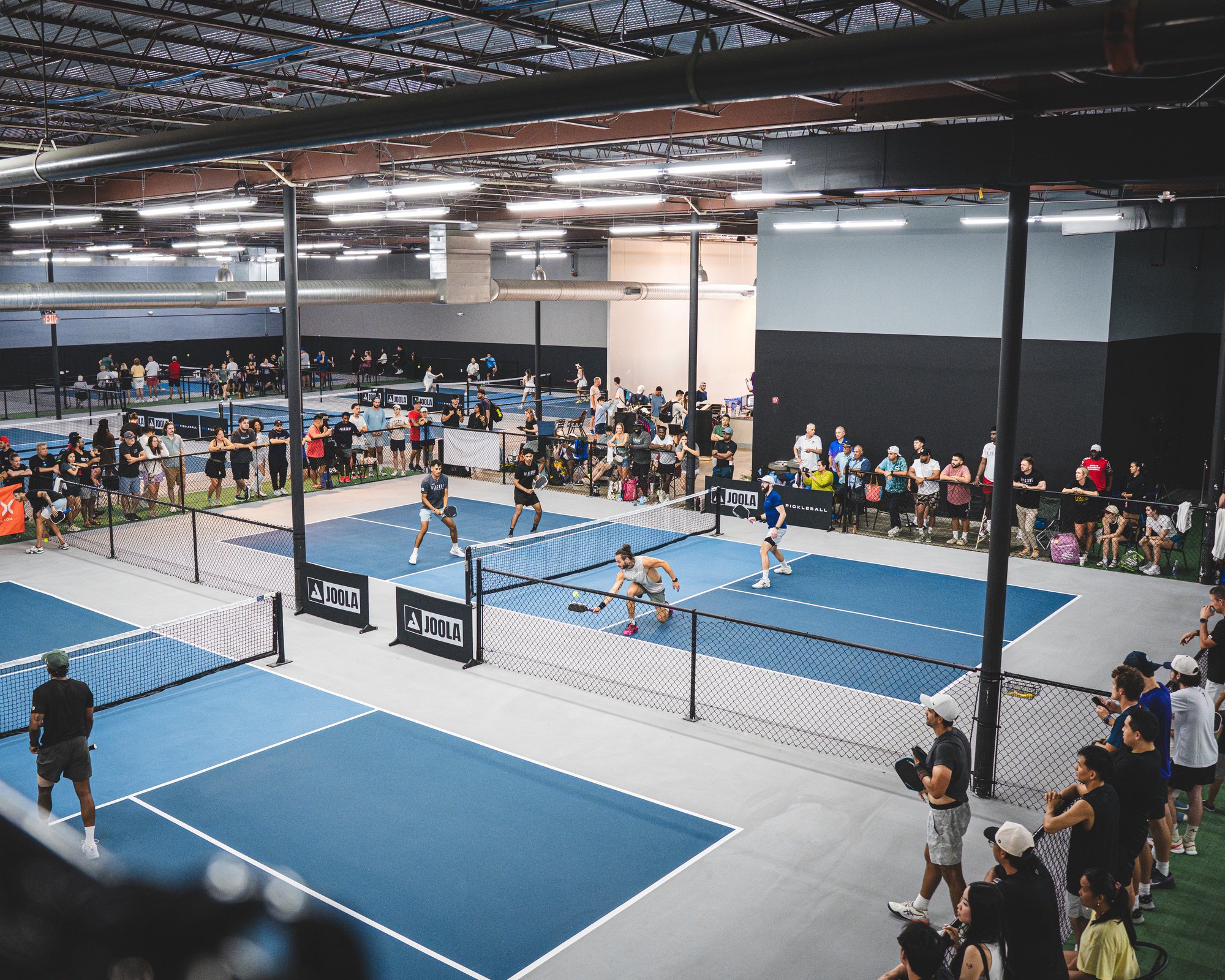
If you’re curious about how this training translates into real-game results, there are a few landmarks to watch for as you progress through Era Pickleball pickleball classes. You’ll notice improved ball tracking, which helps you place shots with less effort. Your dink game will become steadier, with fewer forced errors and more opportunities to press your advantage when your opponent is forced to retreat. Serve returns will improve in consistency and quality, shifting the balance of service games in your favor. And you’ll see a subtler, less frantic pace in your rallies, a sign that your footwork and shot selection are doing more work than your raw power.
The business side of training is straightforward but worth understanding. Era Pickleball pickleball classes operate with a transparent pricing structure, clear expectations for attendance, and a scheduling system that prioritizes reliability. If you’re trying to plan several weeks ahead, it’s helpful to know the typical class cadence and whether there are makeup sessions or flexible options for days you cannot attend. In many cases, the value isn’t only told in your improved rally statistics but in the clarity that comes from a consistent, purposely designed practice routine.
One of the more subtle benefits you gain with regular participation is the improved mental discipline that spills over into other activities. The sport trains you to focus on a target, to manage tension in the moment, and to read a situation and act with a measured sense of timing. Those are life skills as much as athletic ones. When you walk off the court after a tough rally, you’ll notice a calmer demeanor, a greater willingness to let an error go and a stronger sense of readiness for the next point.
If you’re evaluating your options and weighing how to get started, think less in terms of short-term wins and more in terms of the trajectory you want for your pickleball journey. Era Pickleball pickleball classes offer a guided path with coaches who care about your development, not just your next match. The environment emphasizes technique aligned with real-world play, the kind of learning that doesn’t rely on gimmicks or quick-fix drills but on patient, purposeful improvement. The results you see after weeks or months of consistent training are rarely dramatic in a single session, but they accumulate in a way that reshapes your whole approach to the game.
What follows are two practical lists to help you prepare and to make the most of your time on the court. They are not exhaustive, but they capture the essentials you’ll thank yourself for later.
What to bring to Era Pickleball pickleball classes
- A well-fitted paddle with a comfortable grip
- Court-appropriate shoes with good lateral support
- Water bottle and light snacks for longer sessions
- Lightweight athletic clothing that allows for full range of motion
- A small towel and a sweatband if you tend to sweat heavily
What to expect in a typical session at Era Pickleball pickleball classes
- A focused warm-up that includes footwork drills and light rallying
- Drill segments targeting fundamentals like serves, returns, dinks, and drives
- Situational work designed around common match states and decision points
- Controlled match play to test new patterns in a supportive setting
- Brief debriefs that translate on-court learning into concrete next steps
The journey through Era Pickleball pickleball classes isn’t a one-size-fits-all sprint. It’s a curated experience that honors the complexity of the sport and the individuality of each player. If you commit to the process, you’ll uncover a steady improvement that makes you more confident in situations that used to feel unpredictable. You’ll also discover something less tangible but equally valuable: a deeper sense of how your body moves, a better understanding of when to push and when to play within yourself, and a taste of mastery that isn’t about ego but about clear, repeatable execution.
Two experiences often crystallize why this program resonates with players at different stages. First, a newcomer who walks in with a mix of curiosity and self-doubt discovers the power of a simple, repeatable serve and return exchange. The coach breaks down the mechanics into manageable cues, and the player leaves with a serve that actually lands within a defined zone and a return that gives them a chance to reset the rally. The second is for someone who has a decent baseline but struggles against more aggressive players. In that case, the emphasis shifts to better court positioning and shot sequencing, turning aggressive pressure into a problem someone else has to solve rather than a problem you cannot solve at all.
In terms of long-term outcomes, the program’s effectiveness depends as much on your consistency as it does on the quality of coaching. The most successful players are the ones who show up with a plan, who treat each class as a step on a staircase rather than a one-off event. They monitor their own progress, seek feedback, and implement the coach’s recommendations with discipline. This is not a quick fix; it’s a careful, cumulative process that often reveals itself in quiet moments on the court when you have to adjust to a new opponent or a different pace of play.
It’s worth noting that the sport itself has evolved in recent years. The training landscape has shifted toward more nuanced footwork, smarter shot selection, and a greater appreciation for the non-volley zone as a tactical canvas rather than a mere line to avoid. Era Pickleball pickleball classes have kept pace with these changes by adjusting drills to emphasize positioning and tempo rather than raw power. The result is a program that feels both traditional in its emphasis on fundamentals and modern in its attention to strategic nuance.
If your aim is to balance skill development with social enjoyment, this environment accommodates that desire as well. You will often find players who are happy to pair up for extra practice outside of scheduled classes or join informal clinics that run on weekends. The social dimension is not a distraction from progress but a natural extension of it. Conversation flows easily during water breaks, around court corners, and in the locker rooms, where players swap stories about the best rallies they’ve played and the quirks of their favorite shots. The culture embraces humility, grit, and steady improvement—the kinds of traits that help you perform better on court and feel more aligned with a sport you enjoy.
When you weigh Era Pickleball pickleball classes against other training options, a few practical considerations often surface. One is the value of a structured progression versus the freedom of open play. Era Pickleball tends to favor deliberate progression, with each session building on the last and giving players a clear sense of what comes next. Another consideration is the level of personalized feedback. The best sessions blend group learning with individualized cues, a combination that allows you to hear your name attached to a concrete improvement while still benefiting from collective energy and peer learning. The last factor is the atmosphere. Training environments that prioritize respect, effort, and constructive critique often outperform those that emphasize quick wins at the expense of fundamentals.
If you’re reading this and thinking about ways to integrate pickleball coaching into your broader athletic plan, consider what you want to gain from the sport beyond immediate results. Do you want better hand-eye coordination, improved endurance, or sharper on-court decision making? Do you want to be more reliable in high-pressure moments or simply to enjoy longer rallies with friends without feeling overwhelmed? Era Pickleball pickleball classes can meet a wide range of aspirations, but the most meaningful outcomes come from aligning your expectations with the program’s strengths: a clear progression, a supportive coaching culture, and an emphasis on practical, game-informed improvement.
In sum, Era Pickleball pickleball classes present a compelling option for players who want more than just sporadic practice. They offer a coherent, well-structured path that respects your starting point, adapts to your pace, and rewards your persistence with tangible skill growth. The kind of growth that shows up not just in your score tally but in your comfort level during crucial moments, in your ability to read the court, and in the ease with which you execute a plan under pressure. If you want a training destination that treats your development as a real, meaningful pursuit, this program has earned its place on the short list of options worth exploring.
For those who want to dive deeper, the next steps are straightforward. Reach out to era pickleball and inquire about class schedules, available levels, and the cadence that best fits your life. Ask about the coaching philosophy in more detail and whether there are opportunities to observe a session before you commit. If you’re coming from another sport or a different level of pickleball experience, share your background honestly. A good coach will tailor the approach to your experience, your goals, and your daily routine.
As someone who has spent a decade around pickleball courts, watching programs that promise quick fixes but rarely deliver a durable foundation, I have learned to value what remains true: consistent effort, thoughtful coaching, and a framework that respects both the science of movement and the art of play. Era Pickleball pickleball classes embody that combination, offering more than a series of drills. They provide a structured, human-centered path toward becoming a more capable, confident player. If you’re ready to commit to a training destination that takes your game seriously while preserving the joy that makes pickleball so compelling, this program deserves your attention.